
 In this Oxford World’s Classics audio guide, Peter Hunt, Professor Emeritus in Children’s Literature at the University of Cardiff, who was responsible for setting up the first course in children’s literature in the UK, introduces the newcomer to reading critically texts written for children. Click on the links below to hear Peter’s thoughts on the field and then explore some of the texts he has written about in more detail via the links at the bottom of the page.
1. Is it possible to say when children’s literature as a recognizable genre started? Click here [ 0:30].
2. “All children’s books, even now, are didactic in some way.” Peter Hunt explains why here [0:56].
3. When, where and why did the academic study of children’s books begin? Click here [1:13].
4. When Peter Hunt set up the first children’s literature course in the UK, what was his intention? Click here [0:58].
5. What advice does Peter Hunt have for someone embarking on the study of children’s literature for the first time? Do you have to learn to read in a different way? Click here [1:35].
6. When studying children’s books, is it important to remember that they are often first encountered by being read aloud by an adult? Click here [1:02].
7. Peter Hunt reflects on the fact that the classics of children’s literature have been extraordinarily productive of other texts, sequels, prequels, adaptations as well as films. Click here [0:41].
8. When children’s books first appeared on university courses, they were regarded as non-canonical texts. Has that changed in the past forty years? Is there now a canon of children’s literature? Click here [1:16].
9. I commented that biographical and psychological criticism seemed to be particularly popular in discussing children’s texts. Click here [1:24].
10. Are children’s books able to address an adult and a child audience simultaneously, thereby becoming vehicles for satire and social comment? Click here [1:26].
11. Finally I asked when a market for children’s books developed. Was that an early nineteenth-century phenomenon? Click here [1:23].
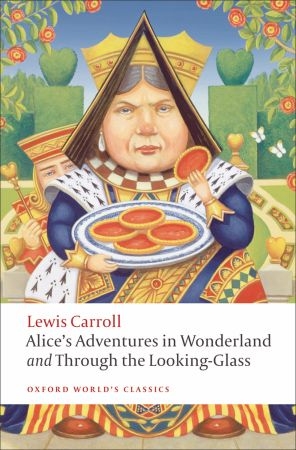
Lewis Carroll – Alice in Wonderland
1. I began our discussion of the Alice books by asking why they have proved such influential texts in the history of literature. Click here [3:32].
2. The Alice books can be seen as engaged in a sort of dialogue with another Victorian writer of children’s book, Charles Kingsley, author of The Water Babies. Peter Hunt explains Carroll’s riposte to Kingsley here [1:16].
3. “Alice encounters a series of pathological maniacs.” Peter Hunt on the dark side of Wonderland. Click here [1:36].
4. How much of the Alice books’ staying power is a result of their linguistic inventiveness? Click here [1:26].
Robert Louis Stevenson – Treasure Island
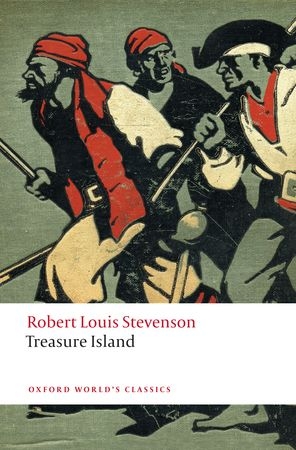 1. “Treasure Island is fundamentally morally ambiguous. Stevenson does not have black and white, good and bad, to the extent that there is hardly anybody good in the whole book.” Click here to hear how Treasure Island distinguished itself from the books it borrowed from [3:46].
2. In many adults’ memories, Treasure Island exemplifies a quality that many children’s classics possess – the ability to evoke memories of a comforting lost paradise. I asked Peter why he thought this was so. Click here [1:32].
3. I asked Peter how Stevenson came to write Treasure Island. Click here [3:06].
4. Despite its moral ambiguities, some contemporary reviewers dismissed the book as being simply another title in the mould of Ballantyne’s Coral Island. Click here [0:35].
5. In his introduction to Treasure Island, Peter Hunt writes of Stevenson as an “ambivalent rebel”. I asked him to explain what he meant by this. Click here [1:19].
Kenneth Grahame – The Wind in the Willows
1. From the outside, Kenneth Grahame, a senior employee in the Bank of England, looked like a pillar of the establishment. But he was a much more complex character than first impressions suggest. Click here to find out more [1:14].
 2. Peter Hunt describes Kenneth Grahame as a “dilettante writer”. What did he mean by that? Click here to find out [1:22].
3. As with Alice in Wonderland and Treasure Island, a myth has grown up about the writing of Wind in the Willows. And as with its predecessors, the myth includes the presence of a real child as first listener to the story. Click here [2:14].
4. Grahame described himself as “a high Victorian”. What anxieties about a changing world do his texts exhibit? Click here [2:21].
5. Unlike writers today, Grahame never set out to be a children’s writer. Peter Hunt explains some of the popular genres which helped shape The Wind in the Willows. Click here [4:00].
6. What has given The Wind in the Willows its extraordinary staying-power as a classic? Click here to find out [1:57].
7. Was there also an element of commemorating a lost domain of pre-first world war childhood and innocence which contributed to its success? Click here [2:40].
8. Grahame wrote in a letter to Theodore Roosevelt that “that book contained no problems, no sex, no second meanings”. In conclusion I asked Peter Hunt if that was disingenuous. Click here [1:29].
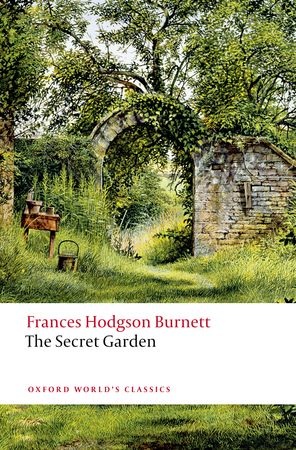
Frances Hodgson Burnett – The Secret Garden
1. I began by asking Peter Hunt to tell me about the history of The Secret Garden. Click here [1:53].
 2. If you look at children’s books from the early nineteenth century on, are there signs of an increasing emancipation of girls? Click here [1:25].
3. Peter Hunt here describes Frances Hodgson Burnett’s life [2:17].
4. If you’re looking for an image with a literary pedigree, I suggested, you can’t do much better than the garden. Click here to hear Peter’s thoughts [1:29].
5. Is Mary Lennox a new kind of heroine, or does she have literary antecedents? Click here [0:54].
6. Burnett was also influenced by earlier writers of fiction for adults… Click here [1:11].
7. When did The Secret Garden begin to exert an influence on other writers, and what was it they picked up on? Click here [1:44].